Chrysler 300

Meet Chandler
Chandler has a bachelors and masters degree in history as well as a passion for classics and muscle cars. His education and historical knowledge makes him skilled at crafting highly detailed articles about America’s muscle cars and automotive history. His love of muscle cars is undeniable, with him seeking them out at every opportunity during his visits to auto shows and car meets. Chandler’s knowledge and enthusiasm towards automotive history make him a great asset to the Muscle Car Club community.
In 1955, Chrysler unveiled the C-300 coupe. Though they had no way of knowing, they had just kick-started one of the greatest eras in American history: The age of the muscle car. Many people consider the Chrysler 300 “Letter Series” to be among the first muscle cars in history. They were high performance coupes that lasted through 1965, and from 1962–1971, there was also the 300 Sport “Non-Letter Series.” Chrysler dropped the name from their lineup for years, but from 2005–2023 they reinvented it as a modern muscle car. Read on to learn all about the storied history of the Chrysler 300 from 1955–2023.
1955–2023 Chrysler 300 Overview
The Chrysler 300 generally refers to four different series of Chrysler 300-branded vehicles. From 1955–1965, they produced the Chrysler 300 “Letter Series.” This series was so-called because each year was a new model with a different letter (B-L) associated with it. From 1962–1971, slightly overlapping with the Letter Series was the 300 “Non-Letter Series.” These are named Non-Letter cars to differentiate them from the Letter Series. Chrysler marketed them under the 300 Sport (1962–1963) and 300 (1964+) names.
The name laid dormant through the rest of the 1970s and all of the 1980s, until Chrysler introduced the 300M series from 1999–2004. This series used a simple V6 engine and was not much of a muscle car, even for the era. Beginning in 2005, Chrysler revamped the 300M to the 300 and 300C lines, once again returning them to their muscle car heritage.
In addition to standard 300 models, they have also made the 300C and 300 SRT-8 (2012–2014) high-performance muscle cars. These used 5.7 HEMI or 6.4 HEMI V8 engines, producing more than 360 and 420 horsepower respectively.
They finally retired the 300 following the 2023 model year, and it’s unclear if it will soon return as an EV. For the final 2023 Chrysler 300C, they used a 485 horsepower version of the 392 HEMI from the SRT-8, giving the gas-powered 300C a proper send-off.
1955–1965 Chrysler 300 “Letter Series”
Chrysler first introduced the 300 in 1955 as the C-300. They had been forced to stop production briefly during the war, and the C-300 was one of their first postwar vehicles to be solely about performance. It was designed after European sports cars of the same era, but featured a 331 cid HEMI V8 under the hood good for 300 horsepower, hence the model name. The C-300 was Chrysler’s effort to re-engage and revamp an aging lineup, and they needed a competitor for the new Chevrolet Corvette and Ford Thunderbird.
Starting in 1956, they dropped the initial C and began attaching letters after the 300, which began with the 1956 Chrysler 300-B. This continued through the 1965 Chrysler 300-L, only skipping the letter I. The body got a slight redesign every year, and initially from 1955–1956 was only available as a coupe. From 1957-on, Chrysler also added a convertible option.
In addition, from 1957-on they gave the 300s big-block V8 engines, producing more than 400 horsepower some years. As a high-performance luxury coupe and muscle car before there were muscle cars, the 300 never sold in great numbers. Still, they were some of the most iconic and alluring in the entire Chrysler catalog, and are highly collectible today.
1955 Chrysler C-300 (A)
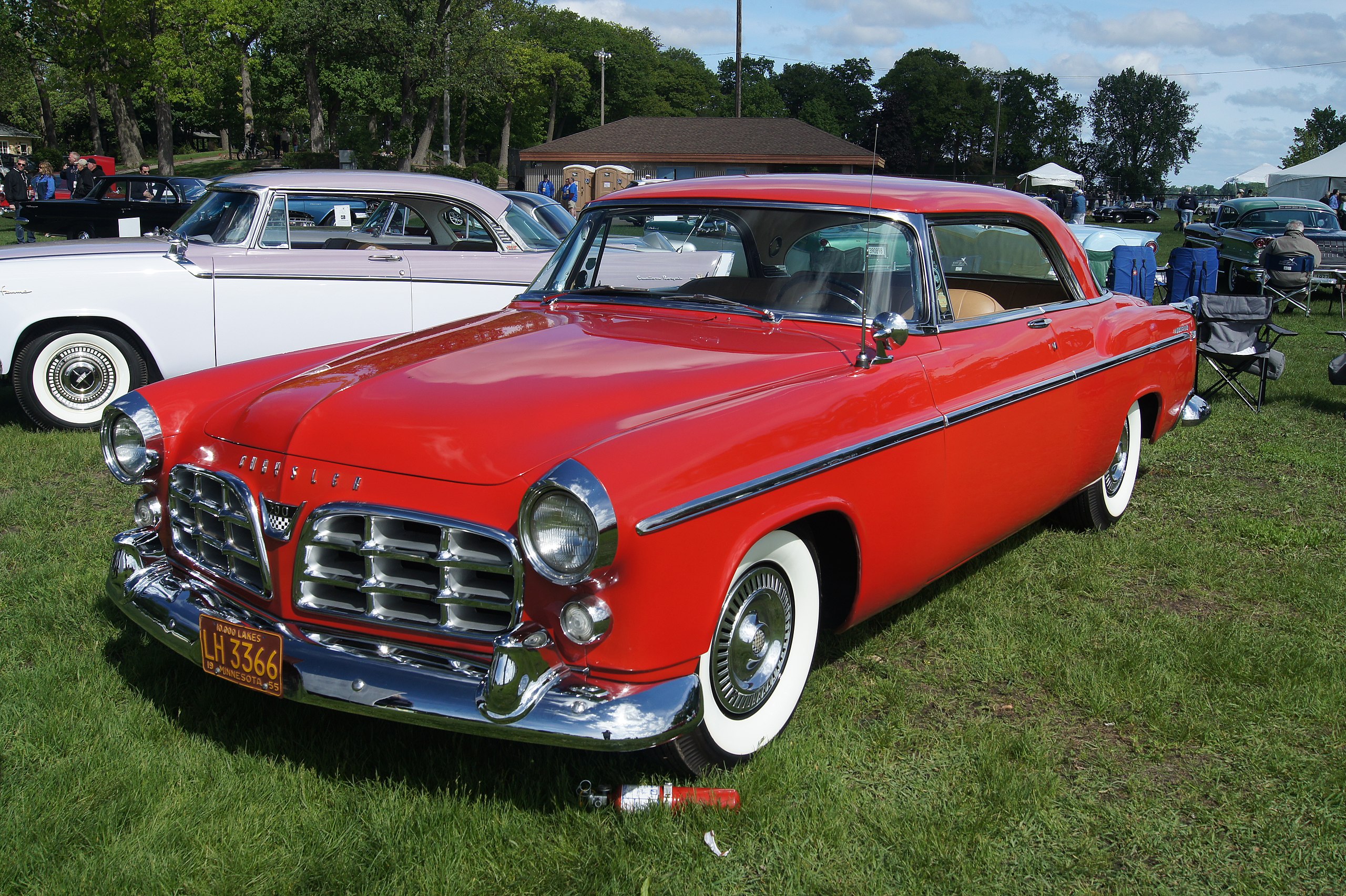
The first Chrysler 300 appeared as the 1955 Chrysler C-300. Retroactively, enthusiasts often refer to this as the C-300-A or 300-A, but Chrysler never officially sold it as such. Chrysler based the C-300 on the existing New Yorker, but included aspects of their Imperial and Windsor lines too to make it a giant hybrid.
They used the C-300 at NASCAR, first competing at Daytona in Class Four, which had no displacement limit for engines. It immediately was a success and broke records, including the NASCAR Flying Mile (127.58 mph) and Daytona Grand National qualifying speed (130.293 mph). The C-300 also took the NASCAR Grand National Stock Car Championship, and won 37 AAA races.
The only body style was a two-door hardtop, and the only engine was a “FirePower” 331 HEMI V8 producing 300 horsepower and 345 lb-ft of torque through dual Carter (WCFB-2318/2317S) four-barrel carburetors. It had a 8.5:1 compression ratio, dual-exhausts, solid valve lifters, and a full race camshaft. The only transmission was a two-speed PowerFlite automatic, which used a reinforced torque converter to handle the HEMI power.
1956 Chrysler 300-B
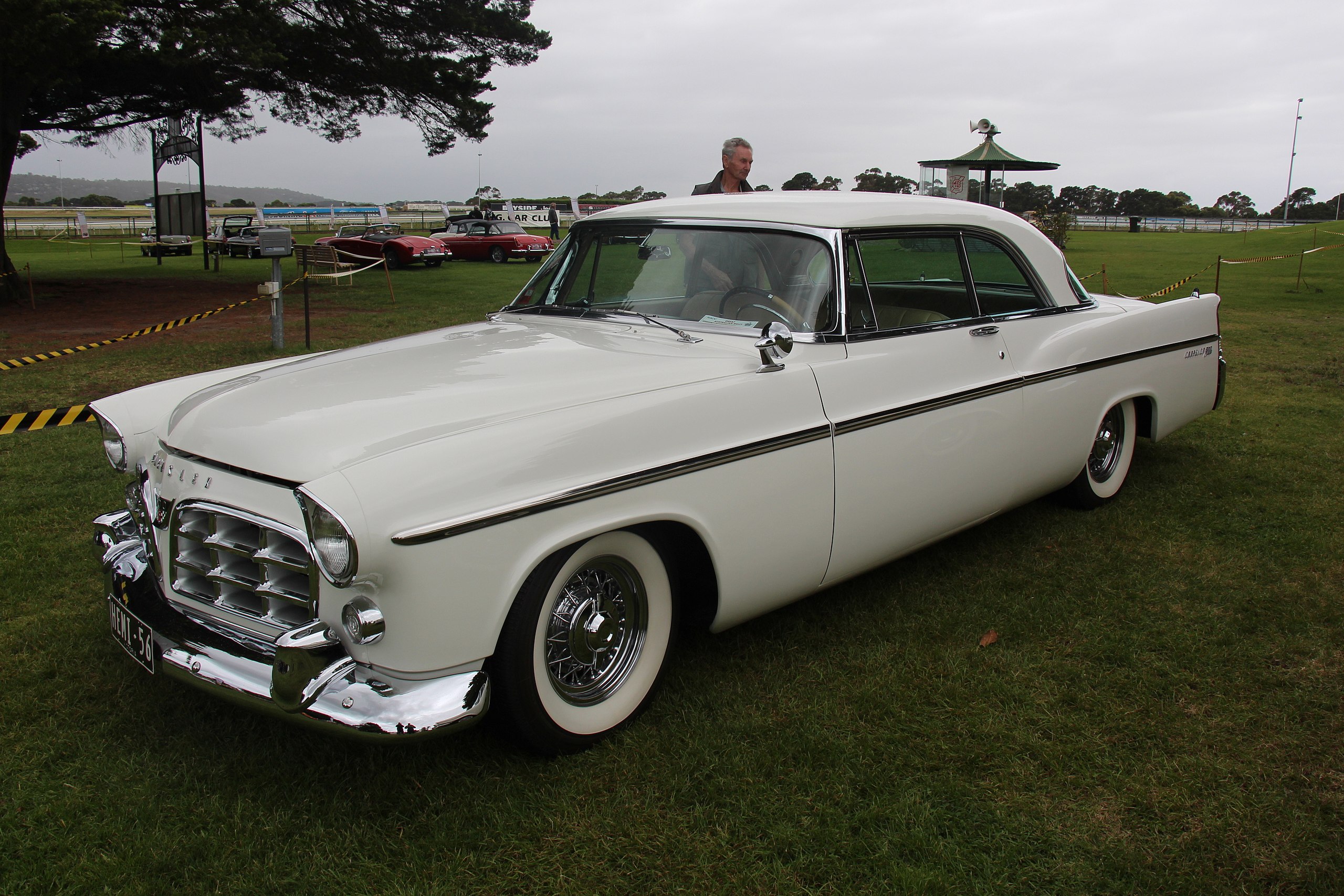
Chrysler returned the 300 the following year as the 1956 Chrysler 300-B, the first year they actually started the trend of using letters. Compared with the inaugural version, the 1956 300-B looked very similar, though it grew subtle fins for the taillights. Newly available was the TorqueFlite three-speed automatic in addition to the PowerFlite.
Chrysler gave the 1956 300 a new engine, the “FirePower” 354 HEMI V8, which made 340 horsepower and 385 lb-ft of torque with 9.0:1 compression. An optional 10.0:1 compression version was available that made 355 horsepower and 405 lb-ft of torque. The engine still used a dual-quad-barrel, 8-venturi setup, with dual Carter WCFB-2314SA and 2444S/2445S carbs. There was still a high-lift camshaft and extra-stiff valve springs.
1957 Chrysler 300-C
For the 1957 Chrysler 300-C, they gave it a new grille, new 300 medallion featuring a red-white-blue background, vents for the brakes below the headlights, and new bumper guards. They also made a convertible version available, and the fins grew even more pronounced, just like on the standard New Yorker on which the 300 was still based.
Chrysler also upgraded the 300-C to the larger “FirePower” 392 HEMI V8. The standard V8 had 9.25:1 compression, twin Carter WCFB 2334S four-barrel carbs, and made 375 horsepower. The optional engine was the same but made 390 horsepower through solid-valve lifters, 10.0:1 compression, four-bolt cast iron headers, and 2 ½ inch low-restriction exhaust. The optional engine was only available with a three-speed manual, and Dodge sold them for “Acceleration Trials,” which was just a euphemism for drag racing.
1958 Chrysler 300-D
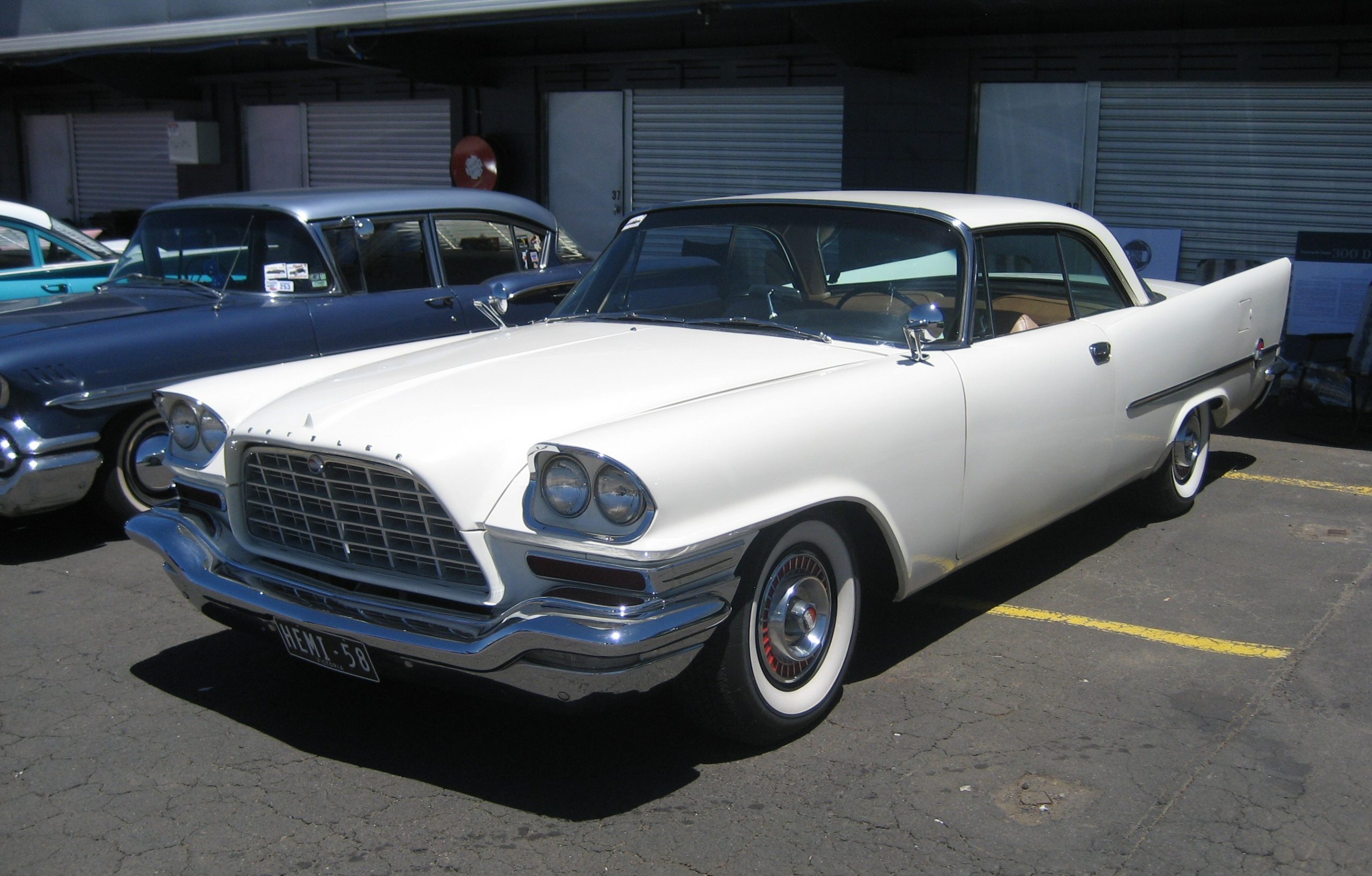
The big change for the 1958 Chrysler 300-D was once again the engine options. The high performance optional engine from the year prior was now standard, but used adjustable valve lifters and made 380 horsepower.
However, the real news was the limited 392 HEMIs equipped with the Bendix Electrojector. This was the first time Chrysler had used a computer in any production engine, and it was a rudimentary form of electronic fuel injection (EFI). Output was raised to 390 horsepower over the standard version, but the EFI system was full of problems. Chrysler ended up buying back most of the EFI engines and refitting them with carburetors instead
1959 Chrysler 300-E
In 1959, Chrysler ditched the HEMI engines for the new Wedge style engines. These had wedge-shaped combustion chambers instead of hemispherical, and Chrysler used the RB-series “Golden Lion” 413 V8. This was not the mythical Max-Wedge version, but still had 10.1:1 compression, hydraulic valve lifters, 380 horsepower, and twin Carter AFB 2798S quad-barrel carbs.
1960 Chrysler 300-F
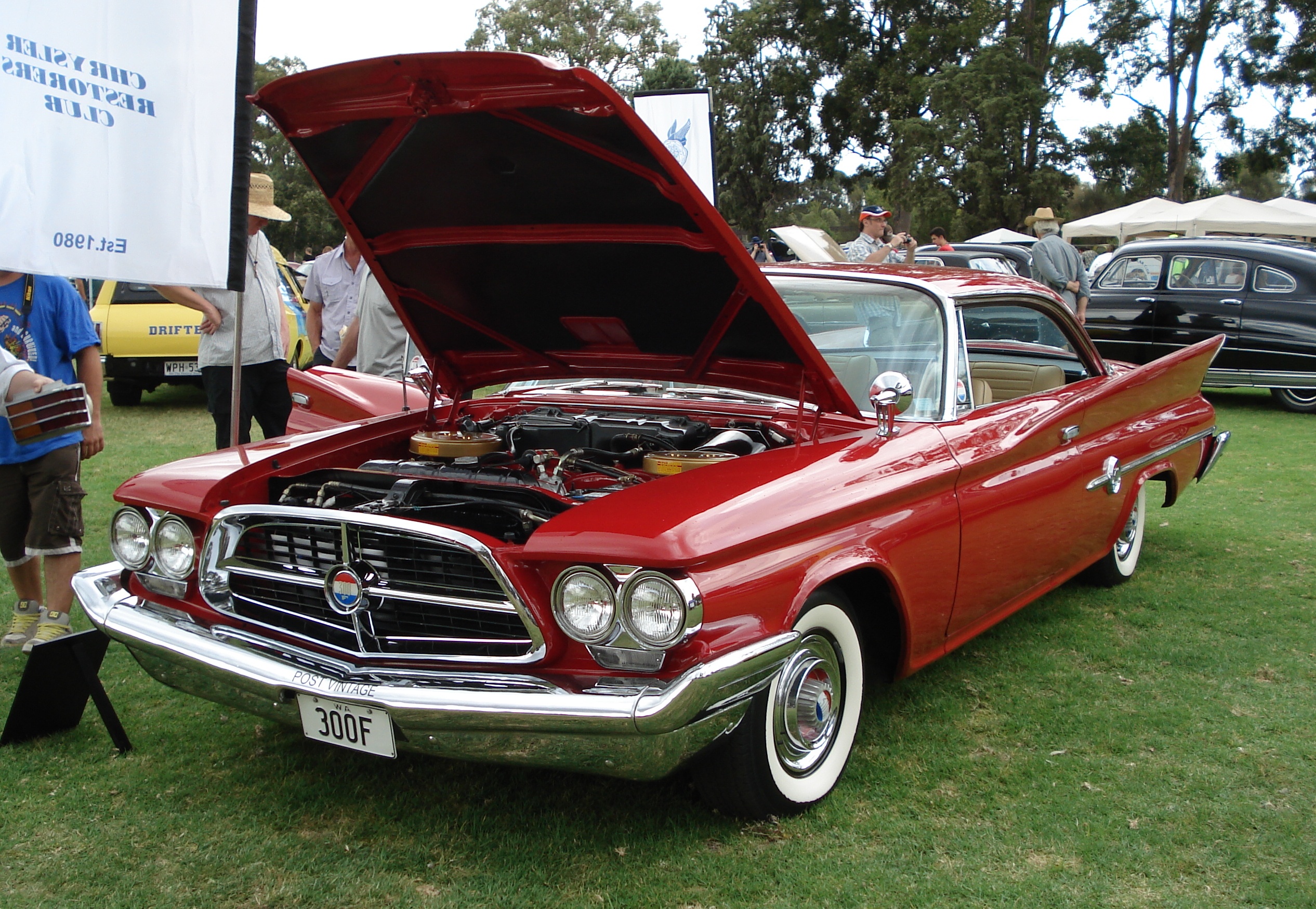
For the 1960 Chrysler 300-F, Chrysler switched to a unibody construction instead of the previous frame-on-body design. The design got a bit sleeker and the tailfins were in full force. The Golden Lion 413 V8 still continued as the only power plant, and was available in two versions. Both of these had the Chrysler “Cross-Ram Induction.” Cross-Ram Induction was a means of increasing horsepower and torque while staying naturally aspirated. Essentially, instead of the carbs being placed sequentially in the center of the engine, each carb now sat over the cylinder banks on the opposite side of the engine.
By placing the carbs on opposite sides, this allowed for the use of long Ram-tuned intake manifold runners, which were specifically tuned to boost power. With the 30”Long Cross-Rams, output was 375 horsepower, with the 15” Short Cross-Rams, it was 400 horsepower.
Of the few sold with the 15 “Short Ram” manifolds, only 15 of them were also given the Pont-a-Mousson 4-speed manual transmission. The Short Ram also had a high-performance camshaft with .449/.454 inch lift and 284° overlap.
1961 Chrysler 300-G
The 1961 Chrysler 300-G was offered with the same engine options as the year prior, and styling was pretty much the same. Production increased significantly over the year prior, and this was the last year the 300 “Letter Series” was the only 300 on the market.
1962 Chrysler 300-H
In 1962, Chrysler dropped the 300-H from the New Yorker chassis for the first time in history, and the new models eliminated the iconic tailfins of years past. Sales plummeted relative to the year prior, likely due to the introduction of the 300 Sport Series, on which the 300-H chassis was based. The 413 wedge V8 returned for 1962, and the Long Cross-Ram version bumped to 405 horsepower.
1963 Chrysler 300-J
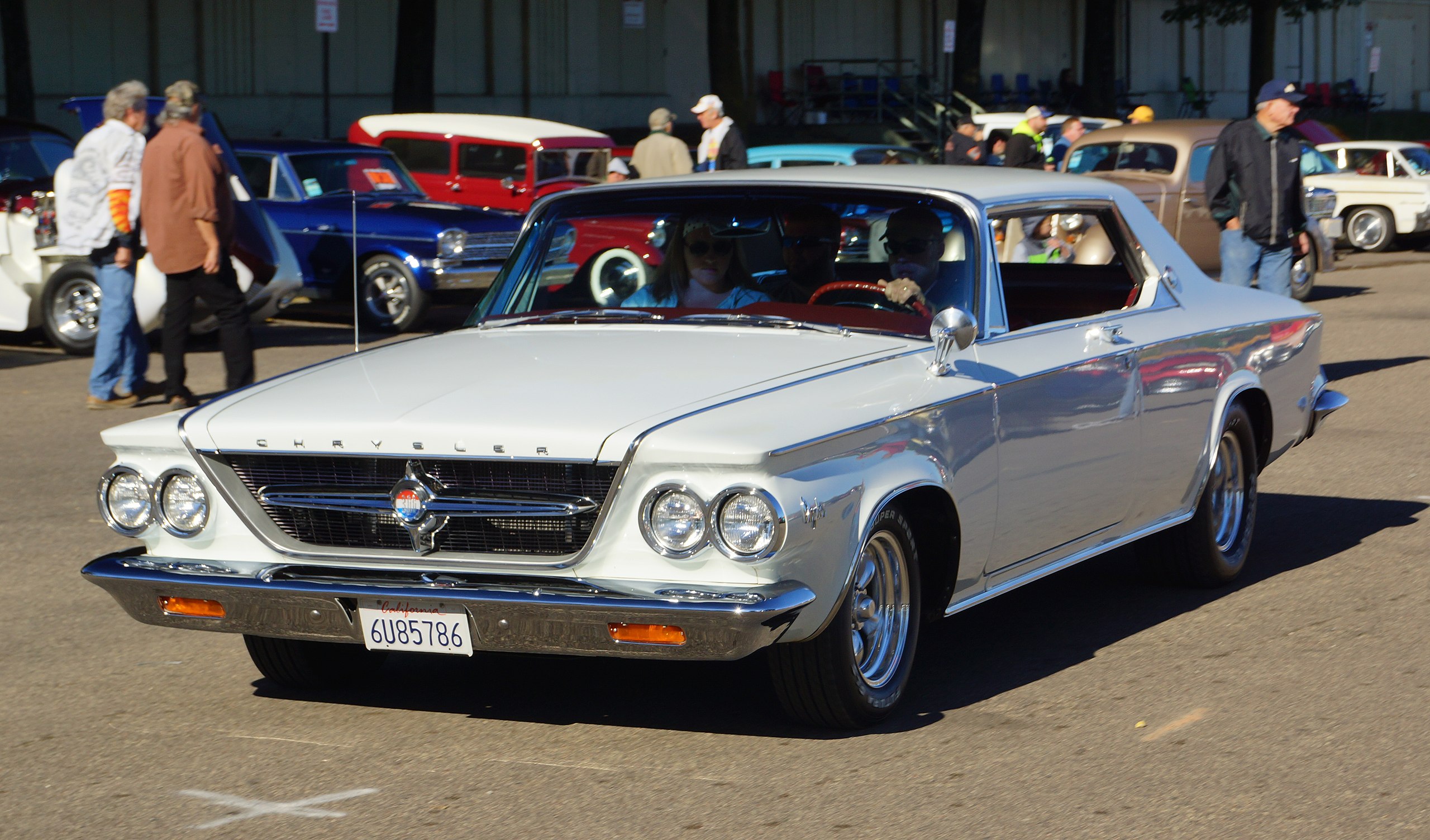
The 1963 Chrysler 300-J was the only year from 1957–1965 that did not have a convertible option, as the hardtop was the only choice. The only 413 V8 was the long ram version that now made 390 horsepower. The steering wheel was square, and bizarre, but the rest of the interior styling made up for it.
1964 Chrysler 300-K
For the 1964 Chrysler 300-K, Chrysler brought back the convertible, which sold extremely well. Overall sales for the year were the highest of any 300 Letter Series ever at more than 3,600 total. Part of this had to do with a reduction in price of more than $1,000, and some buyers put the extra cash into the optional 413 wedge V8 from the year before that was still available. The other engine was a 360 horsepower version, which was still formidable. The 300-K still used the same platform as the regular 300 series, but with the signature medallion badge.
1965 Chrysler 300-L
The last year for the Letter Series was the 1965 Chrysler 300-L. The car looked largely the same as the year prior, and still included a convertible option. The 413 Long Cross-Ram V8 was gone, and only the non-Ram 360 horsepower version was available. They canceled plans for the 1966 300-M, and only the 300 Non-Letter Series remained an option.
Chrysler 300 “Letter Series” Engine Specs
| Model Year | Engine | Horsepower | Torque | Series |
| 1955 | 331 V8 (2x4bbl) | 300 horsepower | 345 lb-ft | C-300 (A) |
| 1956 | 331 V8 (2x4bbl) | 340 horsepower | 385 lb-ft | 300-B |
| 1956 | 331 V8 (2x4bbl) | 355 horsepower | 405 lb-ft | 300-B |
| 1957 | 392 V8 (2x4bbl) | 375 horsepower | 420 lb-ft | 300-C |
| 1957 | 392 V8 (2x4bbl) | 390 horsepower | 430 lb-ft | 300-C |
| 1958 | 392 V8 (2x4bbl) | 380 horsepower | 435 lb-ft | 300-D |
| 1958 | 392 V8 (EFI) | 390 horsepower | 435 lb-ft | 300-D |
| 1959 | 413 V8 (2x4bbl) | 380 horsepower | 450 lb-ft | 300-E |
| 1960 | 413 V8 (2x4bbl) (Cross Ram 30”) | 375 horsepower | 495 lb-ft | 300-F |
| 1960 | 413 V8 (2x4bbl) (Cross Ram 15”) | 400 horsepower | 465 lb-ft | 300-F |
| 1961 | 413 V8 (2x4bbl) (Cross Ram 30”) | 375 horsepower | 495 lb-ft | 300-G |
| 1961 | 413 V8 (2x4bbl) (Cross Ram 15”) | 400 horsepower | 465 lb-ft | 300-G |
| 1962 | 413 V8 (2x4bbl) | 380 horsepower | 450 lb-ft | 300-H |
| 1962 | 413 V8 (2x4bbl) (Ram Induction) | 405 horsepower | 473 lb-ft | 300-H |
| 1963 | 413 V8 (2x4bbl) | 390 horsepower | 485 lb-ft | 300-J |
| 1964 | 413 V8 (2x4bbl) | 360 horsepower | 470 lb-ft | 300-K |
| 1964 | 413 V8 (2x4bbl) | 390 horsepower | 485 lb-ft | 300-K |
| 1965 | 413 V8 (2x4bbl) | 360 horsepower | 470 lb-ft | 300-L |
Chrysler 300 “Letter Series” Production Numbers
| Model Year | Model/Body Style | Production Total |
| 1955 | C-300 Hardtop | 1,725 |
| 1956 | 300-B Hardtop | 1,102 |
| 1957 | 300-C Hardtop | 1,918 |
| 1957 | 300-C Convertible | 484 |
| 1957 Total | 300-C Total | 2,402 |
| 1958 | 300-D Hardtop | 618 |
| 1958 | 300-D Convertible | 191 |
| 1958 Total | 300-D Total | 809 |
| 1959 | 300-E Hardtop | 550 |
| 1959 | 300-E Convertible | 140 |
| 1959 Total | 300-E Total | 690 |
| 1960 | 300-F Hardtop | 964 |
| 1960 | 300-F Convertible | 248 |
| 1960 Total | 300-F Total | 1,212 |
| 1961 | 300-G Hardtop | 1,280 |
| 1961 | 300-G Convertible | 337 |
| 1961 Total | 300-G Total | 1,617 |
| 1962 | 300-F Hardtop | 435 |
| 1962 | 300-F Convertible | 123 |
| 1962 Total | 300-H Total | 558 |
| 1963 | 300-J | 400 |
| 1964 | 300-K Hardtop | 3,022 |
| 1964 | 300-K Convertible | 625 |
| 1964 Total | 300-K Total | 3,647 |
| 1965 | 300-L Hardtop | 2,405 |
| 1965 | 300-L Convertible | 440 |
| 1965 Total | 300-L Total | 2,845 |
1962–1971 Chrysler 300 Sport “Non-Letter Series”
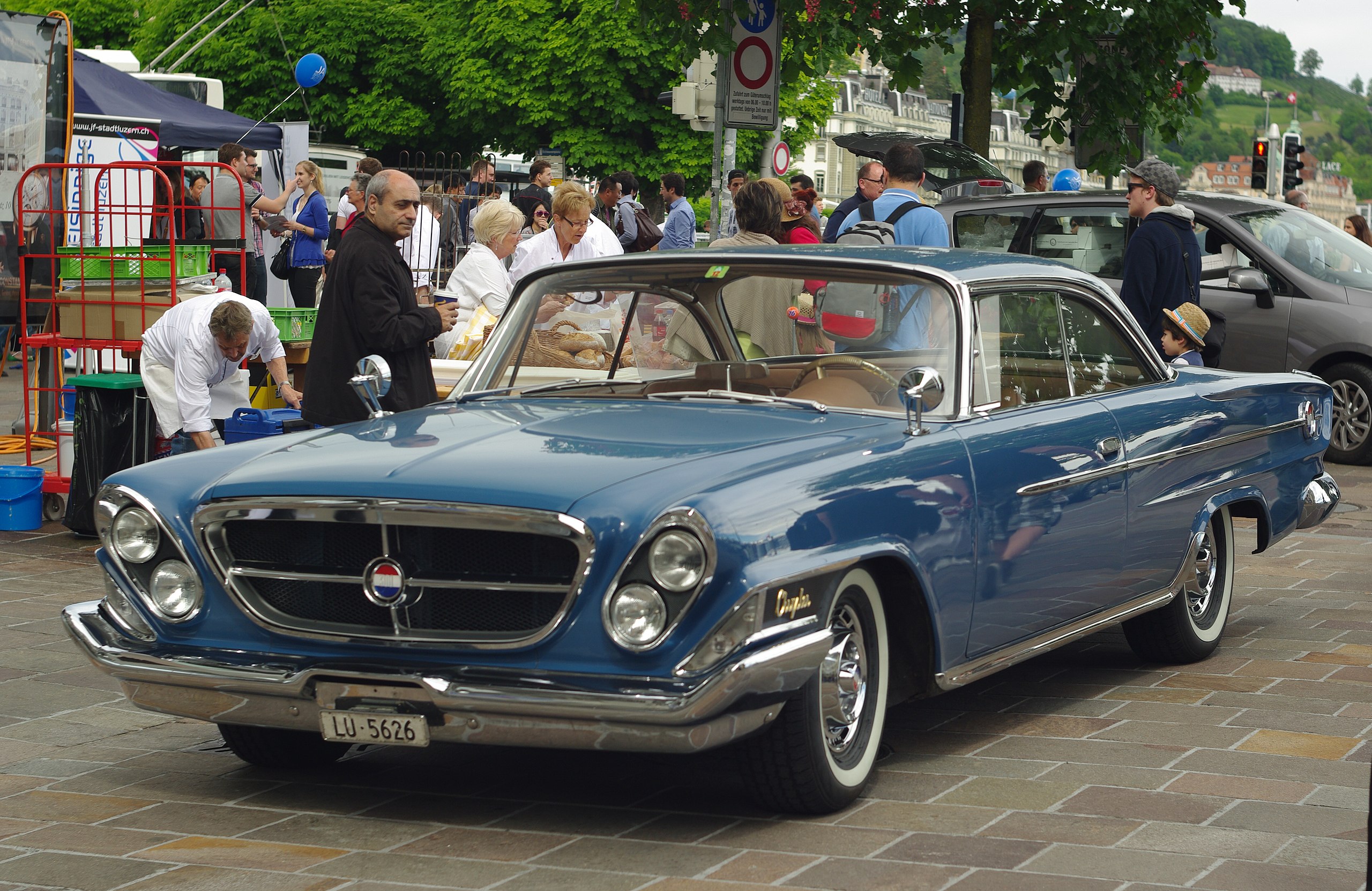
From 1962–1971, Chrysler added a new 300 line to their stable, the 300 Sport or “Non-Letter Series.” Chrysler produced both the 300 Letter and Non-Letter Series through 1965, when only the Non-Letter continued through 1971. From 1962–1964, Chrysler called it the 300 Sport, but from 1965-on it was just the 300. During their limited time together, both of the 300 series looked practically identical, with the badging being the only real way to tell them apart.
When they first brought it out, the 300 Sport was available as either a four-door sedan or hardtop, or as a two-door hardtop or convertible. Immediately, people were confused by the two different 300 lines, which was the worst in 1965 when they both shared the same 300 designation after the Sport designation was dropped. In 1963, they used the 300 Sport as the Indianapolis 500 Pace Car, and made just over 2,000 production versions of it.
It got minor cosmetic improvements each year, including a full-facelift in 1965, and various revisions to the front and rear ends. For the final 1971 Chrysler 300, the convertible option was no longer available, and sales were relatively poor. The Non-Letter 300 vastly outsold the 300 Letter Series by a significant amount, not the least of which was due to their $500–$2,000 cheaper price tag.
1962–1971 Chrysler 300 Sport “Non-Letter Series” Engines
During its 10 model year run, Chrysler made three different engines available inside the Chrysler 300. The base engine from 1962–1966 was the “FirePower 305,” which was a 383 V8 with a two-barrel carburetor that made 305 horsepower. Also available was the 413 wedge V8 that Chrysler also used in the Letter Series.
Starting in 1966, Chrysler dropped the 413 and made the “TNT” 440 V8 the top option. Starting the next year in 1967, the 440 TNT was the only engine available. It produced as much as 375 horsepower from 1967–1970, using a Carter four-barrel with twin-snorkels and dual-exhausts.
1962–1971 Chrysler 300 “Non-Letter Series” Engine Specs
| Model Year | Engine | Horsepower | Torque |
| 1962-1964 | 383 V8 (2bbl) | 305 horsepower | 410 lb-ft |
| 1962 | 413 V8 (4bbl) | 340 horsepower | 470 lb-ft |
| 1962 | 413 V8 (2x4bbl) | 380 horsepower | 450 lb-ft |
| 1963-1965 | 413 V8 (2x4bbl) | 360 horsepower | 470 lb-ft |
| 1965 | 383 V8 (4bbl) | 315 horsepower | 410 lb-ft |
| 1966 | 383 V8 (4bbl) | 325 horsepower | 425 lb-ft |
| 1966 | 440 V8 (4bbl) | 365 horsepower | 480 lb-ft |
| 1967-1970 | 440 V8 (4bbl) | 350 horsepower | 480 lb-ft |
| 1967-1970 | 440 V8 (4bbl) | 375 horsepower | 480 lb-ft |
| 1971 | 440 V8 (4bbl) | 335 horsepower | 460 lb-ft |
| 1971 | 440 V8 (4bbl) | 370 horsepower | 480 lb-ft |
1962–1971 Chrysler 300 “Non-Letter Series” Production Numbers
| Model Year | Bodystyle | Production Total |
| 1962 | Four-Door Sedan | 1,801 |
| Two-Door Hardtop | 11,776 | |
| Four-Door Hardtop | 10,030 | |
| Two-Door Convertible | 1,971 | |
| 1962 Total | 300 Total | 25,578 |
| 1963 | Two-Door Hardtop | 9,423 |
| Four-Door Sedan | 1,625 | |
| Four-Door Hardtop | 9,915 | |
| Two-Door Convertible | 1,535 | |
| Pace Car Hardtop | 306 | |
| Pace Car Convertible | 1,861 | |
| 1963 Total | 300 Total | 24,665 |
| 1964 | Two-Door Hardtop | 13,401 |
| Four-Door Hardtop | 11,460 | |
| Two-Door Convertible | 2,026 | |
| 1964 Total | 300 Total | 26,887 |
| 1965 | Two-Door Hardtop | 11,621 |
| Four-Door Hardtop | 12,452 | |
| Two-Door Convertible | 1,418 | |
| Four-Door Sedan | 2,187 | |
| 1965 Total | 300 Total | 27,678 |
| 1966 | Two-Door Hardtop | 24,103 |
| Four-Door Hardtop | 20,642 | |
| Two-Door Convertible | 2,500 | |
| Four-Door Sedan | 2,353 | |
| 1966 Total | 300 Total | 49,598 |
| 1967 | Two-Door Hardtop | 11,556 |
| Four-Door Sedan | 8,744 | |
| Two-Door Convertible | 1,594 | |
| 1967 Total | 300 Total | 21,894 |
| 1968 | Two-Door Hardtop | 16,953 |
| Four-Door Sedan | 15,507 | |
| Two-Door Convertible | 2,161 | |
| 1968 Total | 300 Total | 34,621 |
| 1969 | Two-Door Hardtop | 16,075 |
| Four-Door Sedan | 14,464 | |
| Two-Door Convertible | 1,933 | |
| 1969 Total | 300 Total | 32,472 |
| 1970 | Two-Door Hardtop | 9,589 |
| Four-Door Sedan | 9,846 | |
| Two-Door Convertible | 1,077 | |
| 1970 Total | 300 Total | 20,512 |
| 1971 | Two-Door Hardtop | 7,256 |
| Four-Door Sedan | 6,683 | |
| 1971 Total | 300 Total | 13,939 |
1999–2010 Chrysler 300
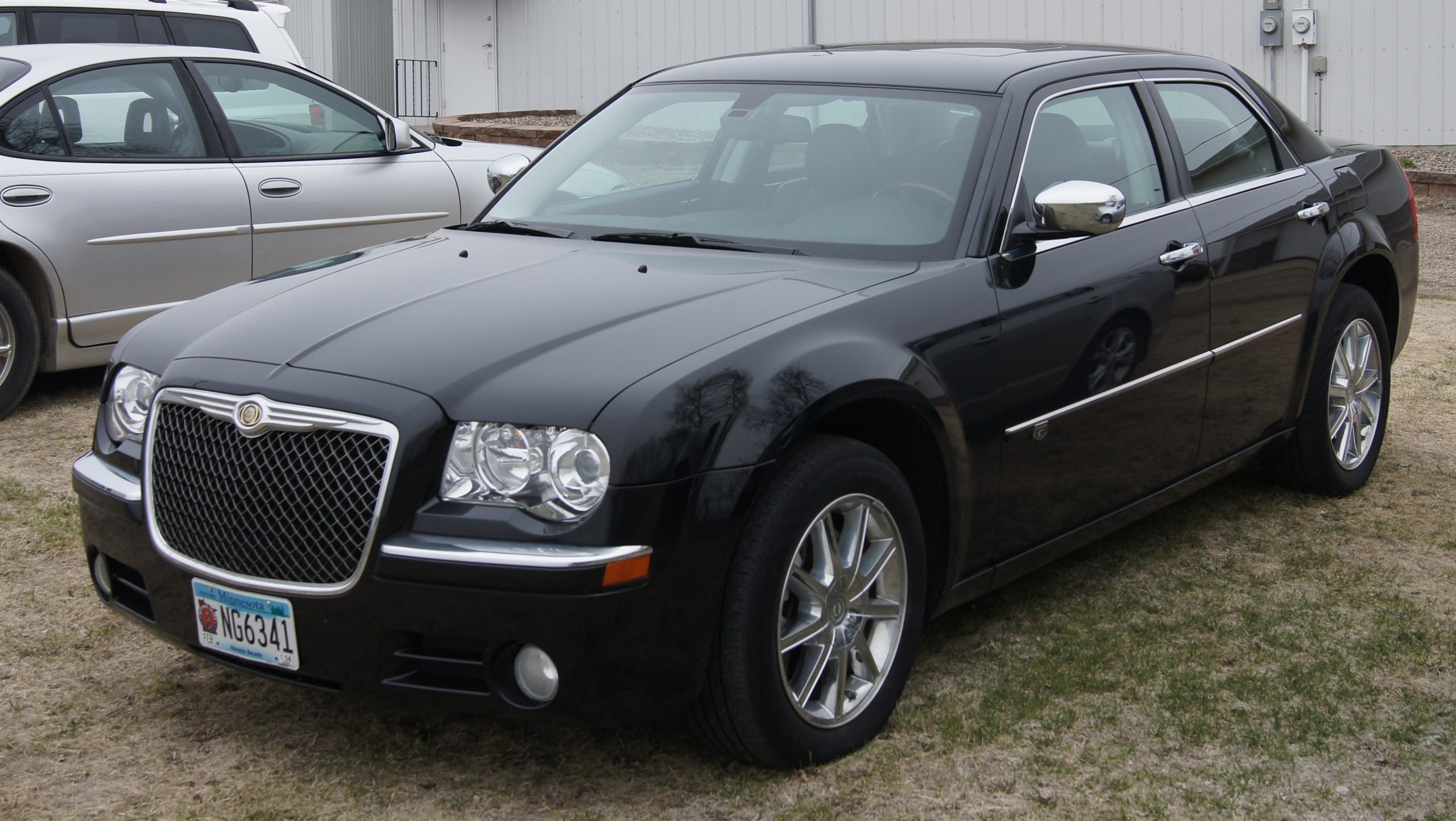
From 1999–2004, Chrysler released the 300M, which was the first to bear the 300 nameplate since 1971. It used a 3.5 liter V6 that produced 253 horsepower and 255 lb-ft of torque. It was the Motor Trend Car of the year for 1999, but failed to make much of an impact.
In 2005, they brought out the new 300 series. This ranged from the base 300, to the mid-tier Limited and Touring, to the top-tier 300C and 300C SRT-8. It rode on the Chrysler LX platform, which was the same as the Dodge Charger. It was a full-sized four-door sedan, and both rear-wheel drive and all-wheel drive were options.
For the base 300, the available engine was 190 horsepower 2.7 liter V6, which dropped to 178 horsepower from 2008–2010. In the Limited and Touring, a larger and more powerful 3.5 liter V6 making 249 horsepower was the power plant.
For those getting the 300C and 300C SRT-8, Chrysler put the HEMI inside, just like back in the day. The 300C received the 5.7 HEMI V8 making 341–359 horsepower, and the 300C SRT-8 got the 6.1 HEMI V8 at 426 horsepower.
2005–2010 Chrysler 300 Engines
| Model Year | Engine | Horsepower | Torque | Model |
| 2005-2007 | 2.7L V6 | 190 horsepower | 190 lb-ft | 300 |
| 2008-2010 | 2.7L V6 | 178 horsepower | 190 lb-ft | 300 |
| 2005-2010 | 3.5L V6 | 249 horsepower | 251 lb-ft | 300 Limited/Touring |
| 2005-2008 | 5.7L V8 (HEMI) | 341 horsepower | 390 lb-ft | 300C |
| 2009-2010 | 5.7L V8 (HEMI) | 359 horsepower | 389 lb-ft | 300C |
| 2005-2010 | 6.1L V8 (HEMI) | 426 horsepower | 420 lb-ft | 300C SRT-8 |
2011–2023 Chrysler 300
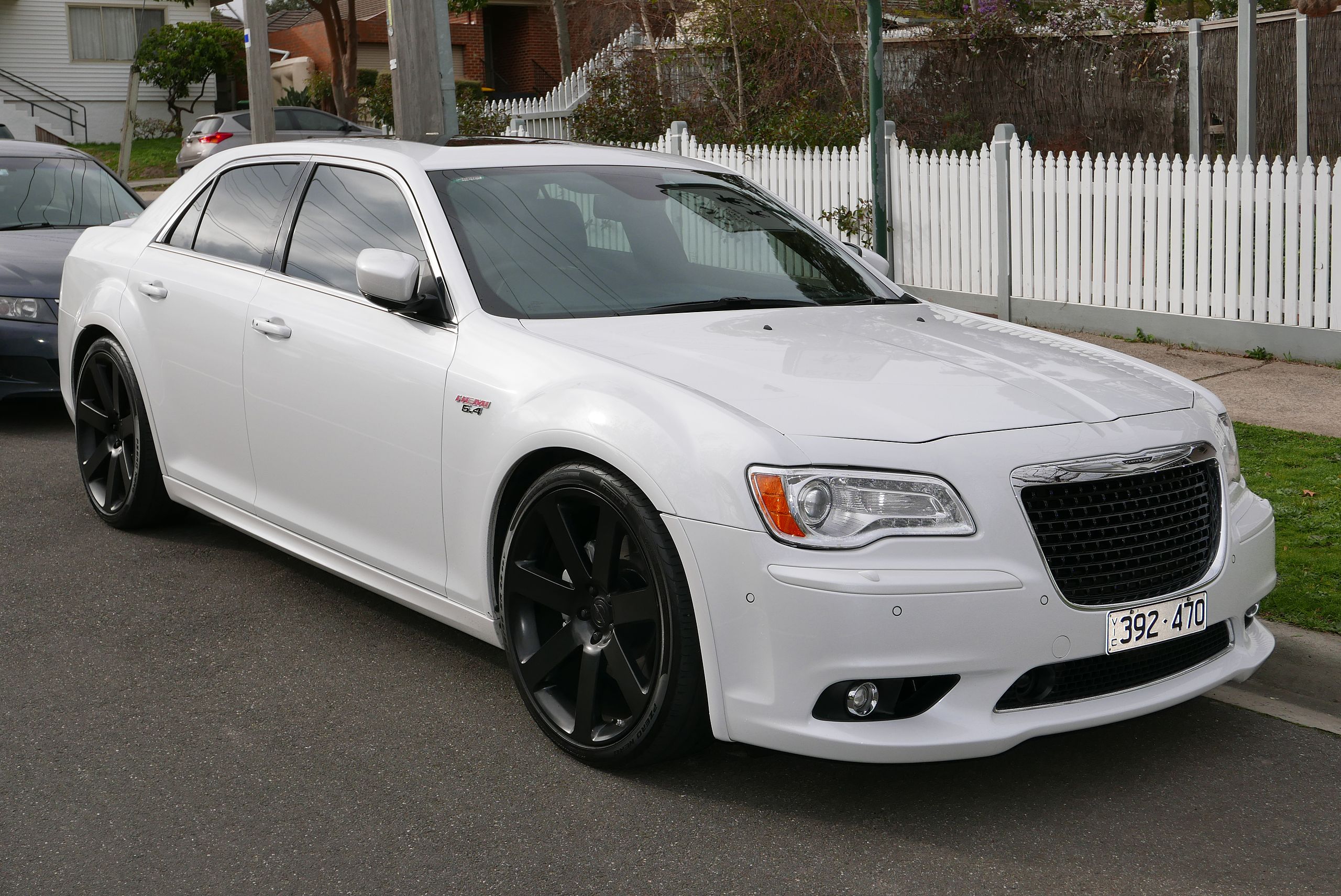
In 2011, Chrysler brought out the second generation of the 300, which lasted through 2023. They switched it to the Chrysler LD platform, which was once again the same one as the Dodge Charger. In addition to the 300 Limited, Touring, 300C, and 300 SRT-8, Chrysler also added a 300S option, which used either the 5.7 HEMI V8 or the 3.6 Pentastar V6.
From 2012–2014, the 300 SRT-8 used the new 6.4 HEMI V8 power plant, which was good for 471 horsepower and 470 lb-ft of torque. For the final 2023 model, Chrysler unleashed the 300C Special Edition. This model used the same 6.4 HEMI V8 as the SRT-8, but upped power to 485 horsepower and 475 lb-ft of torque, making it the most powerful 300 ever built.
2011–2023 Chrysler 300 Engines
| Model Year | Engine | Horsepower | Torque | Model |
| 2011-2023 | 5.7L V8 (HEMI) | 362 horsepower | 394 lb-ft | 300C/300S |
| 2012-2023 | 3.6L V6 | 292 horsepower | 260 lb-ft | 300 Limited/Touring |
| 2013-2023 | 3.6L V6 | 300 horsepower | 264 lb-ft | 300S |
| 2012–2014 | 6.4L V8 (HEMI) | 471 horsepower | 470 lb-ft | 300 SRT-8 |
| 2023 | 6.4L V8 (HEMI) | 485 horsepower | 475 lb-ft | 300C Special Edition |
Chrysler 300 FAQ
Many people consider the Chrysler 300 “Letter Series” to be the first American muscle cars. They combined slick coupe styling with big-block V8 engines that could produce more than 400 horsepower in some years.
The Chrysler 300 Letter Series was an extremely high performance coupe that Chrysler produced from 1955–1965. It featured a different letter for each year, ranging from B to L.
Many people consider the 2005+ Chrysler 300C and 300 SRT-8 to be modern muscle cars. They are sedans, but feature powerful V8 engines making in excess of 350 horsepower.